
Embarking on the journey of learning golf can be profoundly rewarding, yet it demands a significant dose of patience and a good sense of humor. As Thomas Howell, a GolfTEC certified personal coach with 17 years and tens of thousands of lessons under his belt, underscores in the video above, this game is far from easy. It’s an intricate blend of biomechanics, physics, and geometry, requiring time and dedication to master. For every aspiring golfer, understanding the **golf basics for beginners** is crucial to building a solid foundation and avoiding common pitfalls.
The Beginner Golfer’s Mindset: Patience and Persistence
Many new players often underestimate the complexity of golf, expecting instant proficiency. However, a realistic approach is essential. The game’s inherent difficulty is what makes it so engaging, offering endless opportunities for improvement. Instead of frustration, embrace the learning curve. Professional instructors, like those at GolfTEC’s 146 improvement centers, primarily guide newer golfers (up to 15-20 handicappers) through this journey, emphasizing that progress takes time.
Approaching golf with a beginner’s mind means accepting that bad shots are part of the process. Every swing is a chance to learn about your body, the club, and the ball’s interaction. This mindset shift is pivotal, transforming potential discouragement into a motivating challenge. Golf is more than just a sport; it’s a mental game where resilience and a positive outlook can significantly impact performance and enjoyment.
Mastering Golf Etiquette: The Unspoken Rules of the Course
Beyond the swing mechanics, golf is deeply rooted in tradition and respect. Understanding and adhering to golf etiquette is paramount, not just for your enjoyment but also for the experience of your fellow players. The game thrives on honesty, integrity, and consideration.
A surprising but invaluable first step, as Thomas suggests, is to obtain a USGA rule book. While delving into every nuance isn’t necessary initially, the front section often details fundamental etiquette. Key aspects include:
- Pace of Play: Keep up with the group in front of you. Be ready to hit when it’s your turn. Avoid excessive searching for lost balls; know when to declare a ball unplayable and move on.
- Respecting Others’ Shots: Remain still and silent when others are hitting. Stand outside their line of vision.
- Care for the Course: Repair your divots (the chunk of grass taken during a swing), rake bunkers after playing from them, and fix ball marks on greens. Always walk around, not through, another player’s putting line.
- Safety First: Ensure no one is in a position to be hit by your club or ball before swinging.
These informal rules ensure a smooth, respectful, and enjoyable experience for everyone on the course. Observing and practicing good etiquette marks you as a thoughtful and knowledgeable player, regardless of your handicap.
Essential Golf Equipment for New Players
Choosing the right equipment as a beginner can be daunting. The market is saturated with options, but for **beginner golf**, smart choices can significantly impact your learning trajectory.
The Critical Role of Custom Golf Club Fitting
One of the most crucial pieces of advice for any new golfer is to get custom club fitted. Thomas rightly warns against using hand-me-down clubs unless the previous owner is of a very similar build. The reason is simple: we are all different heights, shapes, and sizes. Using clubs that are too long, too short, too heavy, or with the wrong shaft flex can lead to developing detrimental swing habits that are incredibly difficult to correct later.
A professional fitting considers several critical factors:
- Club Length: Matches the club to your height and arm length for proper posture.
- Lie Angle: The angle between the sole of the club and the shaft. An incorrect lie angle can cause the ball to start off-line.
- Shaft Flex: The stiffness of the shaft, which should match your swing speed for optimal power and accuracy.
- Grip Size: Proper grip size ensures better control and prevents over-gripping or under-gripping the club.
- Weight: Clubs that are too heavy or too light can hinder natural swing mechanics.
Investing in a custom fitting, even for a basic set, ensures your equipment works *with* you, not against you. This fundamental step is often overlooked but can prevent years of frustration and poor form.
Building Your Beginner Bag
While the rules allow for 14 clubs, a beginner doesn’t need them all. Focus on a core set that covers essential yardages and shots.
- Putter: Make a solid investment here. As Thomas highlights with his 10-year putter, a good putter can last you for decades. Find one that feels comfortable and aligns well for you.
- Wedges: Be wary of “game improvement” wedges with overly wide soles. While forgiving, they can hinder learning proper impact fundamentals. Opt for at least one standard wedge (e.g., a pitching wedge or sand wedge) to learn versatility around the green.
- Irons: Instead of a full set of 8 irons, consider starting with a few odd-numbered irons like a 7-iron, 9-iron, and a pitching wedge. These cover various distances and are excellent for practicing different shot types.
- Woods/Hybrids: A driver is great for teeing off on long holes. A 3-wood or a hybrid can be easier to hit off the fairway and offers more versatility than a long iron. Don’t feel pressured to buy the most expensive driver; a decent quality one will suffice.
Many manufacturers offer all-inclusive beginner sets that come with a bag, headcovers, and a curated selection of clubs, often at an attractive price point. These can be an excellent starting point, especially for women, where manufacturers often provide aesthetically pleasing and well-engineered sets.
Dress for Success: Golf Attire & Footwear
Golf is a sport where appropriate attire is part of the tradition and function. Dressing correctly enhances comfort and performance.
The Importance of Golf Shoes and Gloves
Do not skimp on shoes. You will be on your feet for several hours, often walking long distances. Your shoes are your foundation for the golf swing; they provide stability and comfort. Look for golf shoes from reputable brands like FootJoy, Ecco, Callaway, or Adidas. They need to fit snugly but comfortably, offering good arch support and traction. Ill-fitting shoes can cause discomfort, blisters, and even lead to compensation in your swing due to instability.
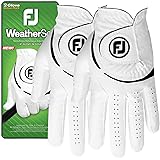
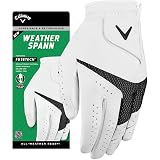
A golf glove is another small but significant investment. It provides a better grip on the club, especially in hot or humid conditions, and can prevent blisters. Ensure it’s a tight, snug fit, perhaps with some elastic or spandex in the knuckles for flexibility and longevity. A loose glove can cause the club to slip, leading to inconsistent shots and bad habits.
Golf Apparel and Course Dress Codes
Golf attire is typically collared shirts for men and often for women, paired with slacks, khakis, or appropriate golf shorts. Before visiting a new course, always check their specific dress code. While some private clubs have strict rules (no jeans, shirts tucked in), many public courses are more relaxed. However, a general rule of thumb is to look neat and presentable. Lightweight, moisture-wicking fabrics are ideal, allowing for full range of motion during your swing without feeling restrictive. Choose clothes that are not too snug, allowing your body to move freely through the complex movements of a golf swing.
Beyond the Clubs: Essential Golf Accessories
While clubs, shoes, and gloves are primary, a few accessories complete the **beginner golf** kit.
- Golf Balls: As a beginner, you will lose balls. It’s inevitable. Skip the premium, expensive balls and opt for jumbo packs of affordable golf balls from big-box retailers. Focus on consistent contact, not premium spin. Avoid ball retrievers; they slow down play, a major etiquette infraction.
- Tees: Essential for teeing off. A basic jumbo pack of wooden or plastic tees will suffice.
- Ball Marker: Keep a loose coin or a dedicated ball marker in your pocket to mark your ball on the green.
- Sun Protection: Golf is an outdoor sport, often played for hours under the sun. A cap or visor is crucial for eye protection and to shield your face. Sunscreen is non-negotiable to protect your skin from harmful UV rays.
Ultimately, golf is a social game that allows you to enjoy the outdoors with friends, family, or business associates. It’s a sport where personal achievement and camaraderie coexist. Embrace the challenge, invest wisely in your initial equipment, understand the traditions, and most importantly, have fun as you navigate the rewarding world of **beginner golf**.
Teeing Up Your Beginner Questions
What is the most important mindset for a beginner golfer?
For new golfers, it’s crucial to have patience and persistence. Embrace that bad shots are part of learning and focus on improving over time rather than expecting instant proficiency.
Why is golf etiquette important for new players?
Golf etiquette ensures a smooth, respectful, and enjoyable experience for everyone on the course. It involves showing consideration for others, maintaining a good pace of play, and taking care of the course.
Should a beginner golfer get custom-fitted clubs?
Yes, custom club fitting is highly recommended even for beginners. It ensures your clubs match your unique body and swing, which helps prevent developing bad habits and makes learning easier.
What essential gear do beginners need besides golf clubs?
Beyond clubs, beginners should have proper golf shoes for stability and comfort, a golf glove for better grip, affordable golf balls (as you’ll lose them), tees, a ball marker, and sun protection like a cap and sunscreen.